

A Guide to Renting an Apartment Without U.S. Credit History

Written by
Josh P.
LendKoi, Expat Advocate

Reviewed by
Mobin K.
LendKoi, CEO
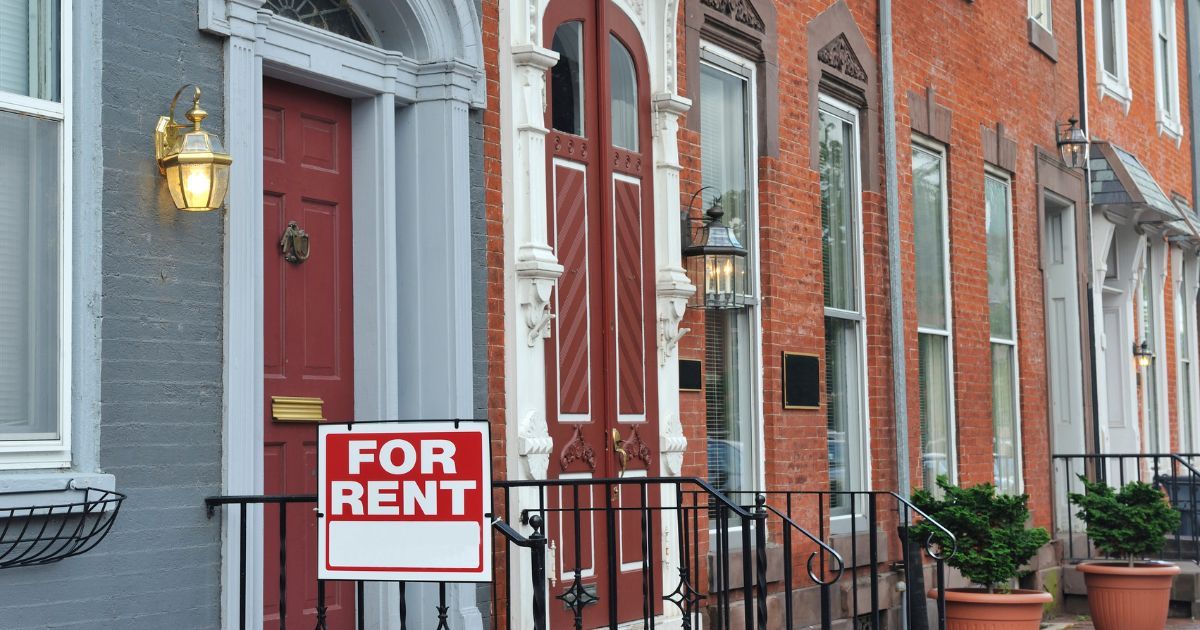
Finding a place to live is one of the first things you need to do when you move to America. It's also one of the most stressful — especially when landlords ask for something you don't have yet: a U.S. credit history.
The good news? People without credit history rent apartments in this country every day. You just need to know how the system works and what your options are.
This guide walks you through it.
First, understand what landlords are really looking for
When a landlord runs a credit check, they're trying to answer one question: "Will this person pay their rent, pay it consistently, and pay it on time?"
Your credit score is just one way to answer that question. If you don't have one, you can answer it in other ways.
Most landlords evaluate tenants based on three things:
- Income — Can you afford the rent?
- Reliability — Have you paid your bills and rent on time in the past?
- Stability — Are you likely to stay for the full lease term?
If you can demonstrate all three, many landlords will work with you — even without a credit score.
Know the income requirements
In most U.S. cities, landlords expect your annual income to be at least 40 times the monthly rent. This is often called the "40x rule."
Here's what that looks like:
Monthly Rent :: Required Gross (pre-tax) Income
$1,500 :: $60,000
$2,000 :: $80,000
$2,500 :: $100,000
$3,000 ::$120,000
If you're applying with roommates, most landlords will add up everyone's income to meet this threshold.
In competitive markets like New York City, some landlords require even higher income (50x the rent) or may be stricter about credit scores. In smaller cities or slower rental seasons (October through March), landlords tend to be more flexible.
Gather your documents before you start looking
Apartment hunting moves fast in the U.S. When you find a place you like, you may need to submit an application the same day. Being prepared gives you an advantage.
Documents you'll likely need:
- Passport (and visa, green card, or other proof of immigration status)
- Employment letter stating your job title, salary, and start date
- Recent pay stubs (2-3 months if available)
- Bank statements showing regular income and savings
- Previous landlord references (even from your home country)
- Letter from your employer if you're relocating for work
If your documents are in another language, consider getting certified translations. Some landlords will accept documents from your home country, especially individual owners or smaller buildings.
Your options if you don't have credit history
Option 1: Show strong proof of income and savings
Many landlords will overlook a missing credit score if you can clearly demonstrate you can afford the rent. Bank statements showing several months of deposits and healthy savings can go a long way.
Some landlords may accept 50x or even 60x the monthly rent in liquid assets as an alternative to a traditional income requirement.
Option 2: Find a personal guarantor (co-signer)
A guarantor is someone who agrees to pay your rent if you can't. In most cities, guarantors need to:
- Have good credit (usually 700+)
- Earn 80 times the monthly rent in annual income
- Live in the U.S. (some landlords require they live in the same state or region)
If you have a family member or close friend in the U.S. who meets these requirements, this can be the simplest solution.
Option 3: Use a guarantor service
If you don't have someone who can act as a guarantor, companies like Insurent and TheGuarantors will do it for a fee.
How it works:
- You apply and pay a one-time fee (typically 70-110% of one month's rent for people without U.S. credit)
- The company guarantees your lease to the landlord
- If you fail to pay rent, the company pays the landlord — and then you owe the company
Costs for non-U.S. applicants:
- Insurent: approximately 98-110% of one month's rent
- TheGuarantors: approximately 70-110% of one month's rent
These services are accepted at thousands of buildings across the U.S., particularly in New York, New Jersey, California, Massachusetts, and other major markets.
Option 4: Offer to pay more upfront (where allowed)
In some states, you can offer to pay several months of rent in advance to reassure a hesitant landlord.
However in some cities and states, landlords cannot legally require more than one month's rent as a security deposit, so be on the lookout. But in other states, offering additional upfront payment may help your application.
Option 5: Look for individual landlords or condo owners
Large management companies often have rigid application processes. Individual landlords — people who own one or two properties — tend to be more flexible.
They may be more willing to:
- Accept international references
- Consider your overall financial picture
- Work with you if you can explain your situation clearly
Condos and co-ops rented by individual owners often have less bureaucratic processes than large apartment buildings.
Option 6: Consider co-living or furnished apartments
Co-living companies (like Cohabs, Common, or Outpost Club) often have less strict requirements than traditional landlords. They typically offer:
- Furnished rooms with utilities included
- Flexible lease terms
- Lower income requirements
This can be a good option for your first year while you build credit history.
Option 7: Start with a shorter lease
Some landlords will offer a shorter lease (6 months instead of 12) to tenants without credit history. This reduces their risk while giving you time to prove you're a reliable tenant.
Know your rights
The Fair Housing Act protects everyone in the United States — regardless of immigration status.
Landlords cannot:
- Refuse to rent to you because of your national origin, accent, or where you were born
- Apply different rules to you than to other applicants
- Ask about your immigration status because of how you look or speak
- Require you to speak English outside your apartment
Landlords can:
- Ask all applicants for identification and proof of income
- Run credit and background checks (applied consistently to everyone)
- Set income requirements (as long as they apply equally to all applicants)
If you believe you've been discriminated against, you can file a complaint with the U.S. Department of Housing and Urban Development (HUD). HUD does not ask about immigration status when investigating complaints.
Tips to strengthen your application
- Write a brief cover letter introducing yourself, explaining your situation, and highlighting your income and stability
- Offer references from previous landlords, even if they're in another country
- Provide extra documentation — the more evidence of financial stability, the better
- Be ready to move quickly — having your documents organized shows you're serious
- Search during off-peak season (October–March) when landlords have fewer applicants
- Open a U.S. bank account early — even 2-3 months of statements can help
- Be honest and direct — explain that you're new to the U.S. and don't have credit yet, rather than leaving the landlord guessing
The bottom line
Not having a U.S. credit history makes apartment hunting harder — but not impossible. Thousands of newcomers find apartments every month by showing landlords they're financially stable and reliable in other ways.
Prepare your documents, understand your options, and don't be discouraged if your first application doesn't work out. The right landlord is out there.
--
At LendKoi, we help immigrants and expats access fair credit so they can build the financial foundation they need in America. Because everyone deserves a fair shot.
--
References
40x rent rule and income requirements: Brick Underground, StreetEasy, PropertyClub
Guarantor requirements (80x rent): RentHop, Brick Underground
Insurent fees and services: Insurent
TheGuarantors fees and services: TheGuarantors
New York security deposit law (2019 changes): Brick Underground
Fair Housing Act protections: U.S. Department of Justice, National Fair Housing Alliance
HUD does not inquire about immigration status: HUD Immigration Status FAQs
Renting as a foreigner guidance: June Homes, Brick Underground

Get started with LendKoi today
See what loan options are available with no impact on your credit score
Your application is secure. Checking your rate won't impact your credit score.