

Can You Build Credit with an ITIN? What Non-Citizens Need to Know

Written by
Josh P.
LendKoi, Expat Advocate

Reviewed by
Mobin K.
LendKoi, CEO
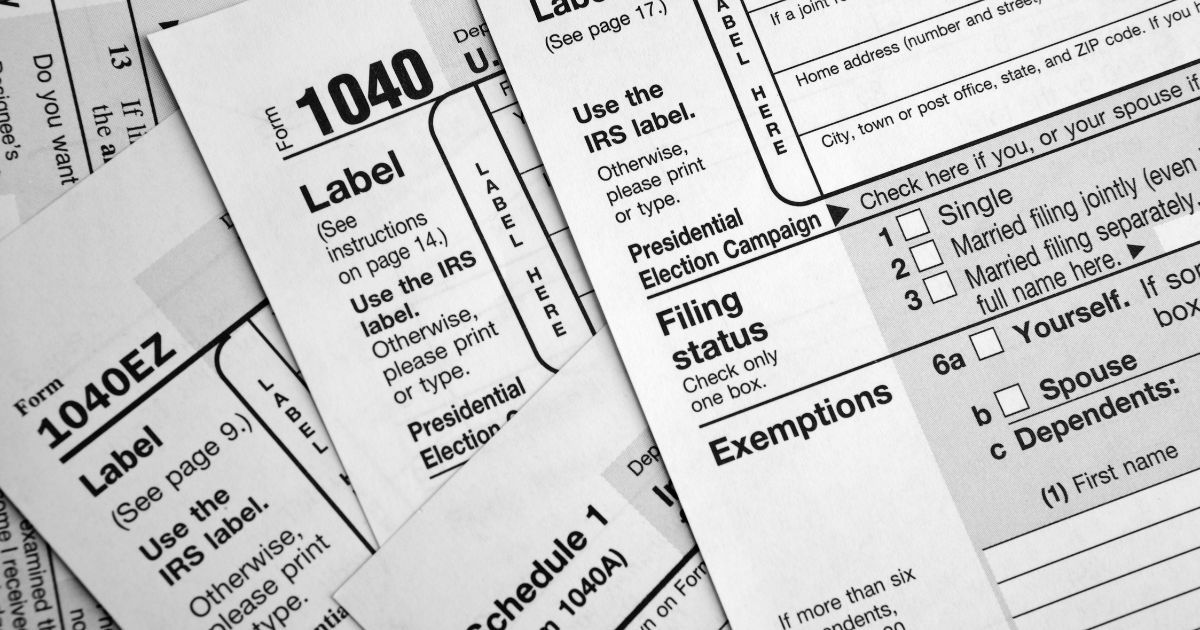
Here's a question I hear all the time: "I don't have a Social Security number. Does that mean I can't build credit?"
No. It doesn't.
If you have an ITIN — an Individual Taxpayer Identification Number — you can open bank accounts, apply for credit cards, and build a credit history in the United States. Your path looks a little different than someone with an SSN, but the destination is the same.
Let me show you exactly how it works.
What Is an ITIN, and Who Gets One?
An ITIN is a nine-digit number issued by the IRS (Internal Revenue Service). It's designed for people who need to pay U.S. taxes but aren't eligible for a Social Security number.
You might qualify for an ITIN if you're:
- A non-resident alien required to file a U.S. tax return
- A resident alien filing a tax return
- A dependent or spouse of a U.S. citizen or resident alien
- A dependent or spouse of a non-resident alien visa holder
ITINs always start with the number 9 and have a 7 or 8 in the fourth digit (like 9XX-7X-XXXX or 9XX-8X-XXXX).
What an ITIN does NOT do:
Authorize you to work in the U.S.
Make you eligible for Social Security benefits
Change your immigration status in any way
It's purely a tax identification number. But here's the key insight: many banks and credit card issuers accept it as an alternative to an SSN for opening accounts.
How to Get an ITIN
If you don't have an ITIN yet, here's the process:
Step 1: Complete IRS Form W-7
This is the application form. You can download it from irs.gov in English or Spanish.
Step 2: Gather Your Documentation
You need to prove both your identity and your foreign status. The easiest way: submit your current passport. A passport is the only document that proves both in one.
If you don't have a passport, you'll need at least two documents from this list:
- National identification card (with photo, name, address, date of birth, and expiration date)
- U.S. driver's license
- U.S. state ID card
- Civil birth certificate (required for dependents under 18)
- Foreign driver's license
- U.S. visa
- Foreign military ID
- Medical records (for dependents under 6)
- School records (for dependents under 18)
Step 3: Submit Your Application
You have three options:
By mail: Send Form W-7, your tax return, and original documents (or certified copies) to the IRS Austin Service Center. This is the simplest option, but you'll be without your original documents for 7-11 weeks while they process your application.
In person: Visit an IRS Taxpayer Assistance Center (TAC). They verify your documents on the spot and return them immediately. This is the best option if you need your passport or other documents back right away. Appointments are required — call 844-545-5640 to schedule one.
Through an Acceptance Agent: Work with an IRS-authorized Certifying Acceptance Agent (CAA) who can verify your documents locally without you having to mail anything or visit an IRS office. This is a good option if you want someone to walk you through the process. You can find authorized agents on the IRS website.
Important: Most first-time applicants must attach a U.S. federal tax return to their Form W-7. There are exceptions (like claiming tax treaty benefits), but generally, you apply for an ITIN when you're ready to file taxes.
Processing time: Allow 7 weeks. During tax season (January 15 – April 30) or if you're filing from overseas, expect 9-11 weeks.
Yes, You Can Build Credit with an ITIN
Here's what many people don't realize: credit bureaus (Experian, TransUnion, and Equifax) can create and maintain credit files using an ITIN.
When you open a credit account with an ITIN and make payments, the lender reports that activity to the credit bureaus — just like they would for someone with an SSN. Over time, you build a credit history, and eventually, you get a credit score.
The mechanics of credit scoring are the same whether you use an ITIN or an SSN:
- 35% of your score comes from payment history
- 30% from amounts owed (credit utilization)
- 15% from length of credit history
- 10% from credit mix
- 10% from new credit
Your ITIN doesn't change how your score is calculated. It just changes which number identifies your file.
Credit Cards That Accept ITINs
Not every credit card issuer accepts ITINs, but many major ones do. Here are your options:
Secured Credit Cards
These require a cash deposit (usually $200-$500) that becomes your credit limit. They're designed for people building credit from scratch.
Cards that accept ITINs:
- Capital One Platinum Secured — deposit as low as $49 for a $200 credit line
- Capital One Quicksilver Secured — same low deposit, plus 1.5% cash back
- Discover it® Secured — deposit matches credit limit, automatic upgrade review after 7 months
- Citi® Secured Mastercard® — deposit can be lower than credit limit
- Firstcard® Secured — specifically designed for immigrants, accepts ITIN or passport
What to look for:
- Reports to all three credit bureaus (essential for building credit)
- Low or no annual fee
- Path to "graduate" to an unsecured card
- Accepts ITIN online (not just in-branch)
Unsecured Credit Cards
If you've already started building credit, some unsecured cards accept ITINs:
- Capital One Platinum — no deposit required, designed for fair credit
- Capital One QuicksilverOne — 1.5% cash back, $39 annual fee
- American Express cards — many Amex cards accept ITINs, though approval depends on your credit profile
Student Credit Cards
If you're an international student:
- Capital One Savor Student Cash Rewards — 1-8% cash back, accepts ITIN
- Discover it® Student Cash Back — rotating 5% categories, accepts ITIN
Opening a Bank Account with an ITIN
Before you can get a credit card, you'll typically need a U.S. bank account. The good news: many banks accept ITINs.
Major banks that accept ITINs:
- Bank of America
- Chase
- Wells Fargo
- Citibank
- HSBC
Credit unions that accept ITINs: Many credit unions are especially welcoming to ITIN holders. Some even help you apply for an ITIN as part of their services. Look for credit unions in your area that specifically serve immigrant communities.
What you'll need to open an account:
- Your ITIN
- Government-issued photo ID (passport, foreign driver's license, or consular ID)
- Proof of U.S. address (utility bill, lease agreement, or bank statement)
- Initial deposit (varies by institution, often $25-$100)
Important: Most banks require you to open an account in person, not online, if you're using an ITIN instead of an SSN. Call ahead to confirm requirements.
How to Check Your Credit Report with an ITIN
Here's a frustrating reality: the standard online methods for checking your credit don't work well with ITINs.
You can't just go to AnnualCreditReport.com and pull your reports online. The identity verification systems are designed around SSNs.
Instead, you'll need to request your credit reports by mail:
Experian: Mail your request to: Experian P.O. Box 9701 Allen, TX 75013
Include:
- Your ITIN
- Copy of government-issued ID
- Copy of utility bill or bank statement with your name and address
Or call: (888) 397-3742
TransUnion: Mail your request to: TransUnion P.O. Box 1000 Chester, PA 19022
Include the same documentation.
Or call: (800) 916-8800
Equifax: Mail your request to: Equifax P.O. Box 740241 Atlanta, GA 30374
Include the same documentation.
Or call: (800) 685-1111
This process takes longer than online requests — expect 2-4 weeks — but you're entitled to your free annual credit report just like anyone else.
What Happens When You Get an SSN Later?
If your immigration status changes and you become eligible for a Social Security number, you'll need to transfer your credit history from your ITIN to your SSN.
Here's the process:
Step 1: Notify the IRS that you now have an SSN. They will rescind your ITIN (you can't have both active at the same time).
Step 2: Contact all your creditors (credit card companies, lenders) and update your records from ITIN to SSN.
Step 3: Write to all three credit bureaus requesting that they transfer your credit history from your ITIN to your SSN.
Your letter should include:
- Your full name
- Your ITIN
- Your new SSN
- Copy of your Social Security card
- Copy of the IRS letter confirming the change
- Proof of address
Timeline: The transfer typically takes 30-60 days and should not affect your credit scores. Your credit history — including the length of your accounts — transfers with you.
Warning: Don't try to maintain separate credit files under both numbers. This can flag your accounts for fraud and cause serious problems. Make the transfer official.
Common ITIN Credit Mistakes to Avoid
1. Assuming you can't build credit without an SSN
This stops people before they start. You can build credit. It just requires finding the right products.
2. Not checking that your card reports to all three bureaus
Some secured cards and store cards don't report to all three credit bureaus. If your payment history isn't being reported, you're not building credit. Always confirm before you apply.
3. Letting your ITIN expire
ITINs expire if you don't use them on a federal tax return for three consecutive years. An expired ITIN can complicate your credit accounts. File your taxes.
4. Not keeping records of your credit activity
Since checking your credit is harder with an ITIN, keep your own records: statements, payment confirmations, account opening dates. You'll need this documentation if there are ever disputes.
5. Applying for too many accounts at once
Each application can create a hard inquiry on your credit report. Too many inquiries hurt your score. Apply strategically — one or two accounts to start, then wait and build.
Building Credit with an ITIN: A Timeline
Here's what realistic progress looks like:
Month 1: Open a secured credit card that accepts ITINs.
Months 2-3: Make small purchases and pay your balance in full each month. Think of it like a training period — you're showing lenders you can be trusted.
Months 3-6: Your payment history starts appearing on your credit reports. The credit bureaus now know you exist.
Month 6: You may have a FICO score generated. This is a big milestone — it requires at least 6 months of credit history.
Months 7-12: Keep making on-time payments and keep your credit utilization low (below 30% of your limit). Consistency is everything during this phase.
Month 12 and beyond: You're now in a position to consider applying for an unsecured card or requesting credit limit increases. The doors that were closed a year ago start opening.
The timeline is the same whether you have an ITIN or an SSN. Credit building takes patience. There's no shortcut, but there's also no barrier that can't be overcome with consistent, responsible behavior.
An ITIN is not a limitation — it's a tool.
Yes, you'll need to work a little harder to find products that accept it. Yes, checking your credit is more complicated. Yes, you'll probably need to visit a bank branch instead of applying online.
But millions of people build credit with ITINs every year. They get approved for credit cards, car loans, and mortgages. They achieve the same financial goals as anyone else.
The U.S. financial system isn't designed with immigrants in mind. That's a fact. But it's not closed to you either. You just need to know which doors to push.
Now you know.
Sources:
IRS, "About Form W-7, Application for IRS Individual Taxpayer Identification Number"
IRS, "How to Apply for an ITIN"
IRS, "ITIN Supporting Documents"
Consumer Financial Protection Bureau (CFPB)
Capital One, "How to Get a Credit Card with an ITIN"
NerdWallet, "Credit Cards You Can Get Without a Social Security Number"
Experian, "Credit Building for Immigrants"
Bankrate, "How Non-US Citizens Can Open a Bank Account”

Get started with LendKoi today
See what loan options are available with no impact on your credit score
Your application is secure. Checking your rate won't impact your credit score.